
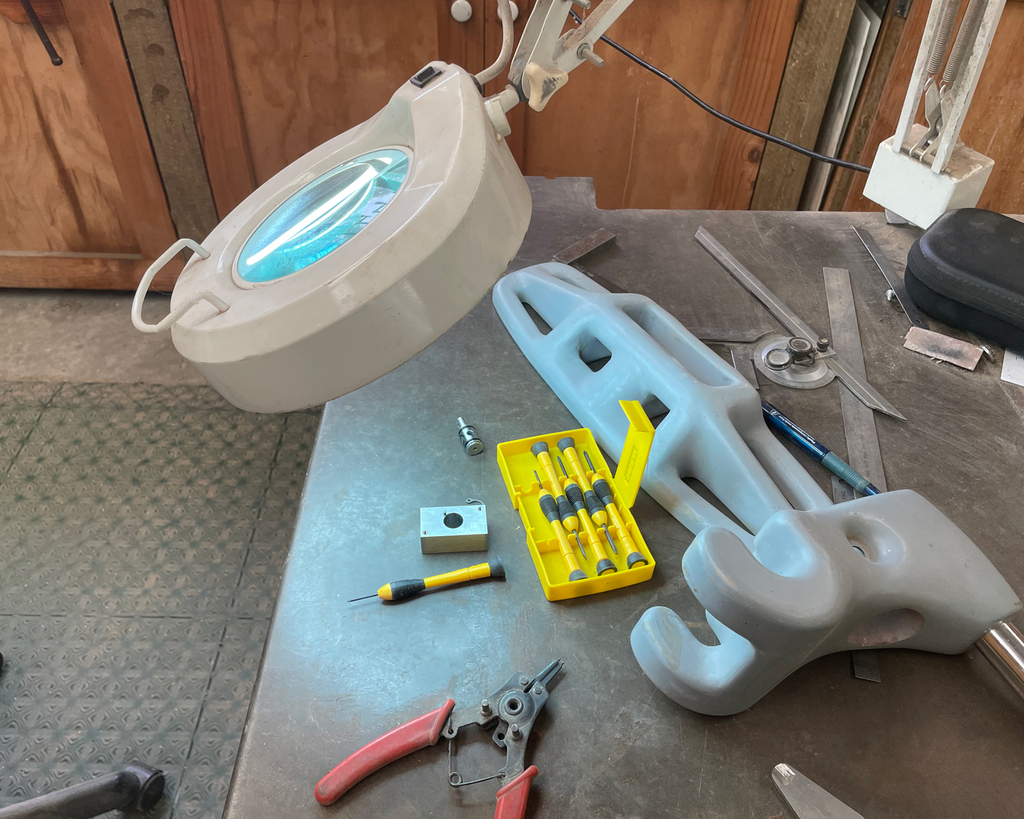
I utilise an innovative and creative method of design - crafting a pattern straight from an idea without the use of CAD software. Not only does this result in substantial cost saving, rather than just viewing it on a screen, my clients are able to see a 3D model than can be handled and tested.
I am a tactile designer and work personally with each client to achieve the desired result and product. I am able to design for any project, from individual components through to complete systems and my manufacturing diversity produces sensational results.
My personal approach enables me to meet with clients to discuss the initial brief, and keep them informed every step of the way - from first concept through to the model. This enables clients to maintain a realistic and clear vision of the finished product through every stage of the process.
One of the biggest highlights for me is being able to turn my client's idea into a 3D replica that is better than they imagined it could be and see their reaction. I am and have always been an ideas man, a visionary, and find that pattern making allows me to help others develop their own concepts while exploring my own creative side.
I will create a full size or scale model using a combination of polystyrene, fibreglass, resins, wood, plastic or metal. While doing this, I allow for the 'shrinkage' factor of whatever material will be used in the manufacture of the final product. The model can then be tested, modified and fine tuned before a production tool is made. I can also work from a CAD drawing to produce a CNC computer cut plug or prototype.
From the model a mould is made using a combination of wood and resin. The mould can consist of two or more pieces, depending on the complexity of the product. The mould parts are duplicated is cast aluminium and the castings are then polished, fitted, framed and clamped to suit the chosen manufacturers requirements.
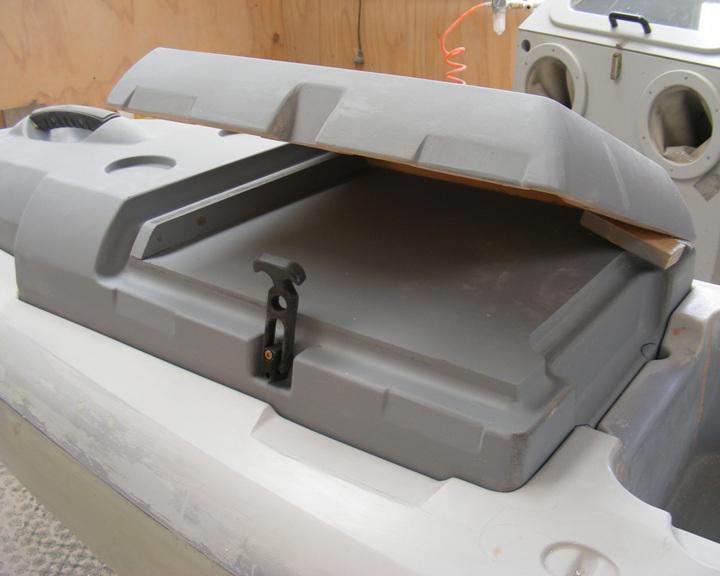
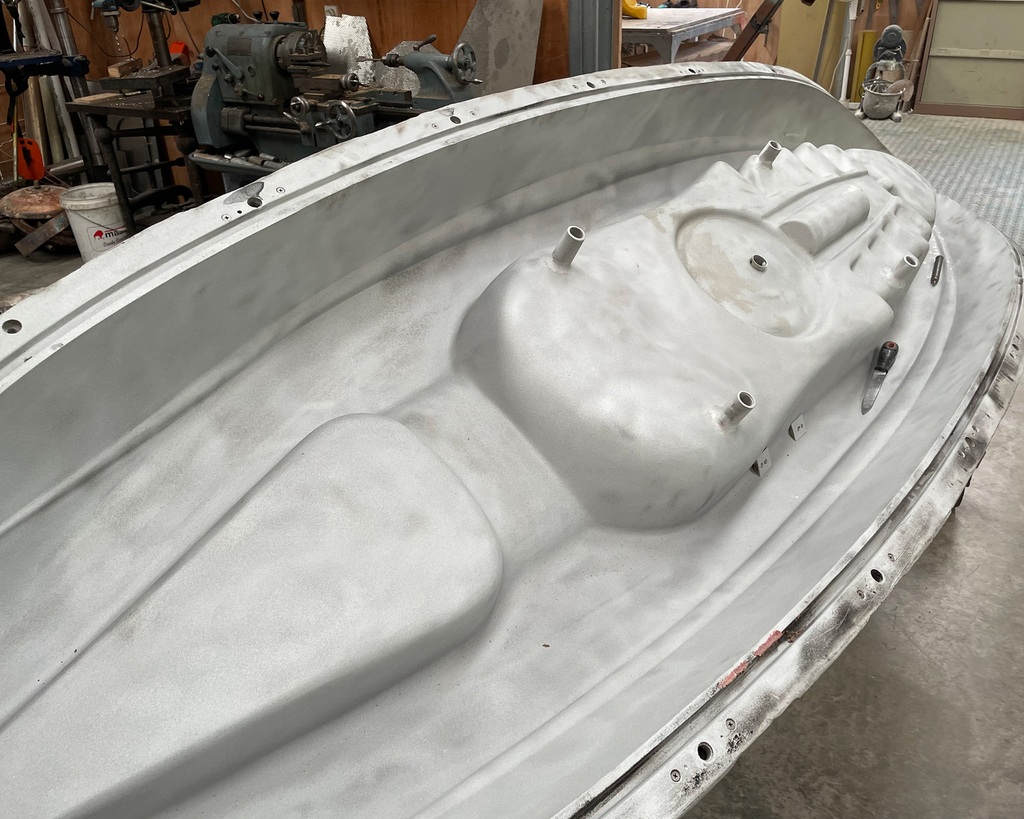
I have specialised in the area of rational plastic moulding for many years. I have become an expert in dealing with difficult design issues, often recruited by large plastics manufacturers to work alongside their in-house designers for specific projects.
Rotational moulding is a process that is used for producing hollow plastic products. Complex products can be produced by using additional post-moulding operations. This enables the process to compete effectively with other moulding practices.
Rotational moulding is different from other methods in that the heating, melting, shaping and cooling stages all occur after the plastic polymer is placed in the mould. There is no external pressure applied during forming. This means stress free products, no weird lines, low cost moulds and minimum design constraints. It also allows for the addition of moulded-in graphics to products, such as company logos, warning labels and instructions.